
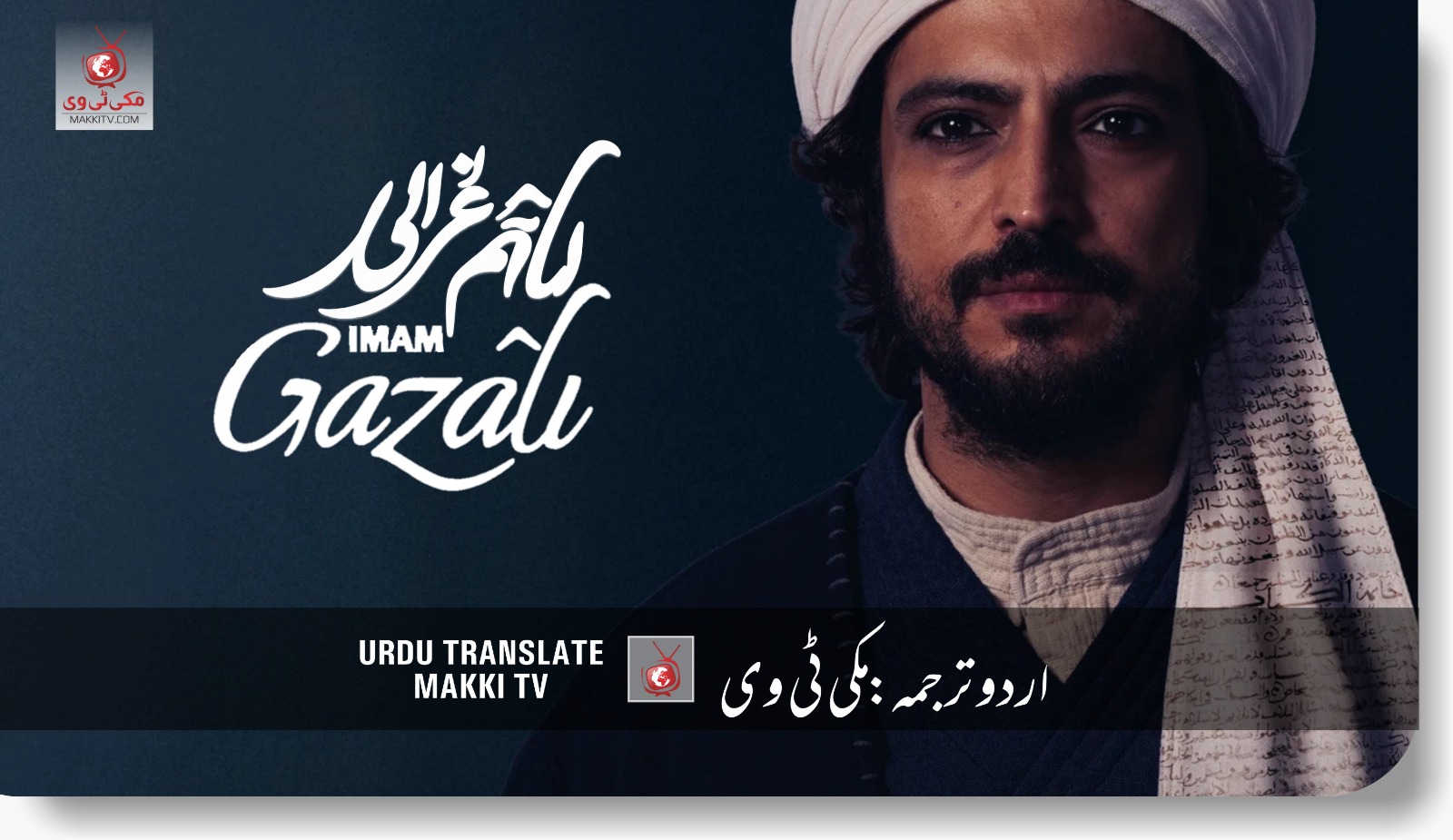
The Imam Ghazali Series has emerged as a remarkable visual and educational journey into the life, thoughts, and philosophy of one of Islam’s greatest scholars, Imam Abu Hamid Al-Ghazali. Episode 6 of this series continues to captivate audiences, particularly with the addition of Urdu subtitles, making it accessible to a wider South Asian audience. This episode is a significant chapter in understanding Imam Ghazali’s spiritual and intellectual journey, as well as his lasting influence on Islamic thought.
Episode 6 begins by highlighting a pivotal phase in Imam Ghazali’s life—his period of introspection and spiritual crisis. After years of serving as a teacher at the prestigious Nizamiyya School of Baghdad, Ghazali faced a profound existential dilemma. Despite his success in academia and recognition as a brilliant scholar, he found himself questioning the authenticity of his knowledge and the true purpose of his life. The episode carefully illustrates his inner conflict, showing how even great minds can experience moments of doubt and soul-searching.
The series uses cinematic storytelling to bring these moments to life. Through evocative visuals and well-crafted dialogues, viewers witness Ghazali’s struggle between worldly ambitions and spiritual fulfillment. This conflict is portrayed not as a weakness but as a critical turning point that leads to his greater understanding of faith, knowledge, and ethics. Urdu subtitles ensure that the nuanced conversations and philosophical reflections are fully appreciated by Urdu-speaking audiences, allowing them to engage deeply with the narrative.
One of the central themes explored in Episode 6 is the journey from knowledge to wisdom. Imam Ghazali realized that mere accumulation of knowledge does not guarantee spiritual enlightenment. His disillusionment with purely academic achievements drove him toward a more holistic approach, combining intellectual rigor with spiritual practice. The episode highlights his withdrawal from public life, a decision that shocked many of his contemporaries but ultimately paved the way for his profound contributions to Sufism and Islamic philosophy.
Video name : Imam Ghazali Episode 6 |
The episode also delves into Ghazali’s encounters with various scholars, mystics, and thinkers of his time. These interactions shaped his understanding of the world and reinforced his belief in the importance of inner purification and ethical conduct. The series pays special attention to these dialogues, emphasizing how Ghazali balanced rational inquiry with spiritual devotion. Urdu subtitles play a crucial role here, translating complex philosophical ideas into simple, comprehensible language for viewers who might not be fluent in Arabic or Persian, the languages in which Ghazali originally wrote.
Another notable aspect of Episode 6 is its portrayal of Ghazali’s spiritual awakening through Sufism. The series carefully traces his journey into asceticism, meditation, and ethical self-discipline. Viewers are shown how Ghazali gradually turned inward, seeking a direct connection with God and understanding the transient nature of worldly life. The Urdu subtitles reinforce this message, making it resonate with audiences who are familiar with Islamic teachings but might be encountering these insights for the first time in a cinematic format.
Episode 6 also emphasizes the relevance of Imam Ghazali’s teachings in contemporary life. His reflections on the human condition, moral responsibility, and the pursuit of truth are timeless. By including Urdu subtitles, the series bridges the gap between centuries-old scholarship and modern viewers, enabling them to draw lessons that are applicable to their daily lives. For instance, Ghazali’s emphasis on sincerity in both learning and action encourages audiences to evaluate their intentions and priorities in a world driven by material success.
From a production standpoint, the episode stands out for its attention to historical and cultural authenticity. The sets, costumes, and music are carefully designed to transport viewers to 11th-century Persia and Baghdad, creating an immersive experience. Urdu subtitles complement this visual authenticity by providing linguistic accessibility, allowing viewers to connect emotionally and intellectually with the narrative.
The inclusion of Urdu subtitles also underscores the educational mission of the series. South Asia has a large Urdu-speaking population, many of whom are eager to learn about Islamic history and scholarship. By offering translations, the producers ensure that Imam Ghazali’s wisdom reaches a broader audience, fostering understanding and appreciation across linguistic and cultural boundaries. This approach also enhances the educational value of the series, making it suitable for schools, universities, and online learning platforms that cater to Urdu-speaking students.
In conclusion, Episode 6 of the Imam Ghazali Series with Urdu subtitles is more than just a historical recount; it is a profound exploration of the mind and spirit of one of Islam’s greatest thinkers. The episode captures the essence of Ghazali’s journey—from doubt to enlightenment, from academic achievement to spiritual mastery. The Urdu subtitles not only make the content accessible but also allow viewers to engage deeply with the philosophical and spiritual themes, enriching their understanding of both history and faith.
This episode is a testament to the power of storytelling in conveying complex ideas and moral truths. It encourages viewers to reflect on their own lives, seek knowledge with sincerity, and pursue spiritual growth. For anyone interested in Islamic philosophy, Sufism, or the timeless wisdom of Imam Ghazali, Episode 6 is a compelling and inspiring watch. Its careful integration of Urdu subtitles ensures that this wisdom is not confined to scholars alone but can touch the hearts and minds of a diverse, modern audience.