
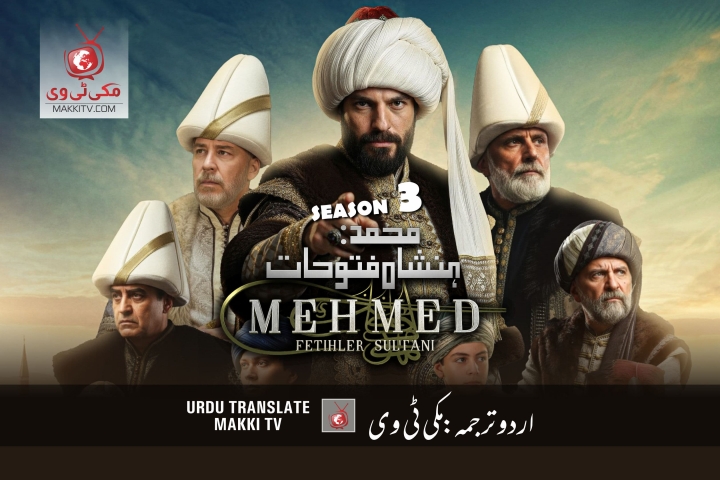
Whenever a new episode of Mehmed: Fetihler Sultanı arrives, I treat it like an event. But Episode 61 of Season 3 felt special. It wasn’t just another chapter in Sultan Mehmed II’s journey—it carried the emotional weight, political tension, military brilliance, and character growth that fans like us hope for every week.
Watching the episode, I felt the writing team pushing the narrative toward a much bigger confrontation. You can sense the storm forming around Constantinople’s future and Mehmed’s rapidly evolving leadership. In this article, I’ll break down everything:

Episode 61 story highlights (spoiler-safe structure)
In-depth character analysis
Key historical elements
Cinematic details
My personal thoughts as someone who actually watched the episode
And what we can expect from Episode 62
Let’s dive straight into it.
Episode 61 Summary – A Powerful Build-Up
1. Mehmed Steps Into a New Phase of Authority
In Episode 61, we watch Mehmed take on decisions that would intimidate even the most seasoned rulers. I noticed how the writers showed him balancing compassion with ruthlessness. Several moments revealed how he is no longer the boy-sultan from earlier seasons—his tone, posture, and confidence have shifted completely.
When he faced internal dissent inside the palace, he didn’t move impulsively. Instead, he strategically analyzed which allies he could trust and which ones were becoming liabilities.
2. The Growing Threat From Byzantine Resistance
If you follow the show closely, you already know that tension with Constantine’s court has been rising. But in Episode 61, the threat becomes clearer.
I personally enjoyed how the episode portrayed the Byzantine advisors struggling to interpret Mehmed’s political moves. Every message, letter, and troop deployment carried double meanings—and they knew it.
Episode 61 positions both sides like chess players preparing their final formations.
3. Internal Palace Rivalries Intensify
The palace scenes were some of my favorites this week. You could feel the tension between the viziers, generals, and advisors. Some characters you trusted earlier suddenly seem suspicious, and that unpredictability made the episode gripping.
The writers also highlighted how personal egos and hidden ambitions threaten stability more than outside enemies. As I watched, I found myself thinking that Mehmed’s greatest challenge may not be Constantinople—it might be his own court.
4. Military Planning Takes Center Stage
As someone who loves historical strategy, I appreciated the detailed scenes showing Mehmed’s tactical preparations. Episode 61 showcases:
Early drafts of siege plans
New engineering ideas
Weapons testing
Troop organization
Alliance negotiations
You can tell the showrunners are setting the stage for a massive shift in Season 3’s direction.
Character Analysis – How Episode 61 Reshaped the Cast
Sultan Mehmed II
This episode proves why history remembers him as “Fatih.”
I felt his emotional intensity dominating every scene—especially moments where he:
Balanced justice with political necessity
Challenged those who doubted him
Showed vulnerability but didn’t let it weaken his authority
Mehmed’s transformation in Episode 61 feels personal to us as viewers because we’ve witnessed his journey from the very first season.
Şehzade Orhan & Other Potential Rivals
Political rivals become more vocal this episode. Their subtle accusations and secretive alliances add a layer of political thriller energy to the show.
Mara Hatun
Mara’s wisdom continues to shine. In Episode 61, her emotional intelligence and political insight help Mehmed avoid making a dangerous decision. I genuinely felt the maternal warmth and strategic brilliance in her scenes.
Zağanos Pasha
Zağanos delivers one of his strongest performances of Season 3. His loyalty is unquestioned, but Episode 61 shows how far he’s willing to go to protect Mehmed’s vision—even if it means conflict with other officials.
Historical Context – What Episode 61 Gets Right
Even though the show dramatizes real events, Episode 61 remains grounded in accurate historical atmosphere.
Here’s what stood out to me:
1. Authentic Political Atmosphere
The growing tension with Byzantium reflects the real environment before the eventual siege. Letters, envoys, and misdirection were common tactics in this period.
2. Court Rivalries
Historically, Mehmed faced enormous opposition from within the Ottoman elite. Episode 61 portrays this struggle brilliantly, showing how a young sultan had to win respect, not demand it.
3. Strategic Focus
Mehmed’s preparations align with historical accounts of his early reforms—military restructuring, engineering innovations, and alliances.
Cinematic Review – Direction, Editing & Action
Cinematography
The visual quality of Episode 61 is a step up. Wide shots of palace interiors, night-time strategy meetings, and symbolic camera angles give the episode a cinematic feel.
Costumes & Set Design
The detailing is exceptional this week. I noticed improvements in armor textures, banners, and the intricate designs in the palace halls.
Background Score
The score heightens emotional and political moments without overshadowing dialogue. The tension-building themes were perfect for this episode.
Dialogue
Episode 61 delivers strong, meaningful dialogues that reflect the depth of Mehmed’s character growth. As a viewer, I felt the weight and sincerity in every conversation.
What to Expect in Episode 62
Going by Episode 61’s ending, here’s what fans should anticipate:
A bold political move from Mehmed
Rising internal friction
Possible betrayal
Intensifying Byzantine preparations
Major groundwork for a historical turning point
Episode 62 is likely to be heavier, more dramatic, and possibly filled with consequences for what happened in Episode 61.